Character design and reference sheets in 2D animation
Character design and reference sheets: practical guidance for preparation, decisions and review.
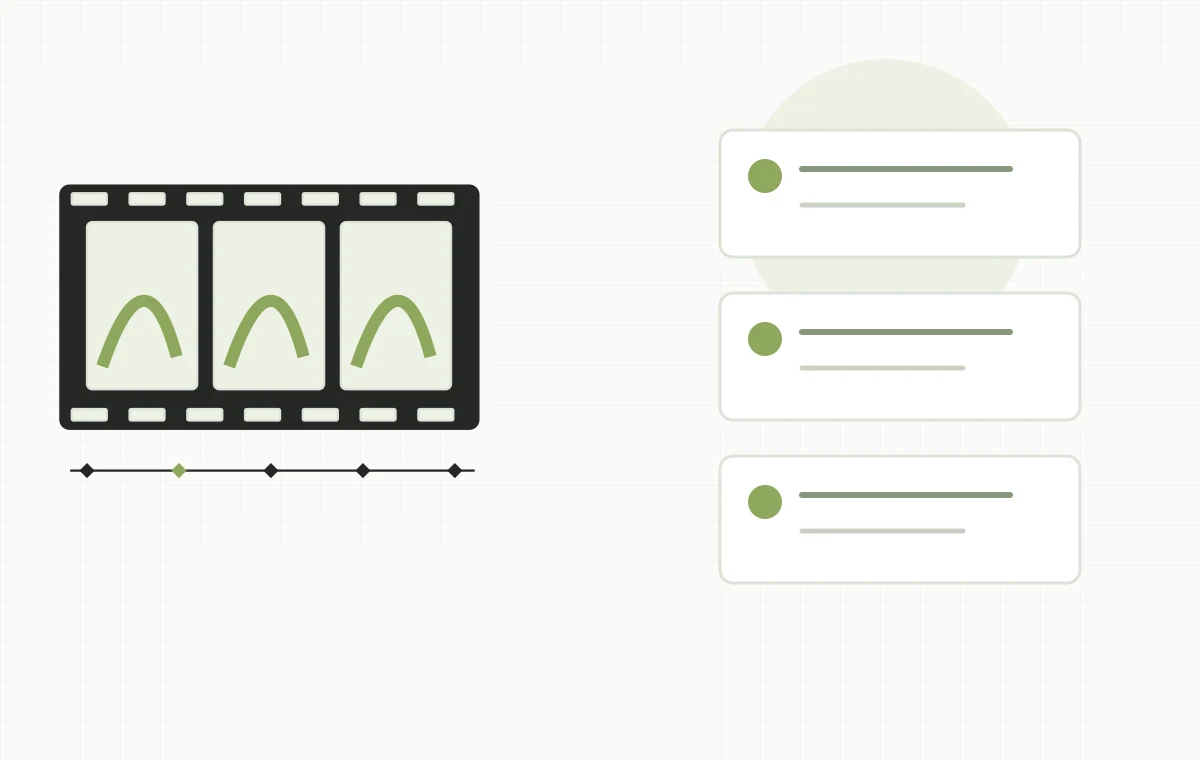
Character design and reference sheets
Tell visual stories through illustrated two-dimensional movement. Key poses should read even as silhouettes. Frame spacing changes the sense of speed and pause; more frames alone do not improve a story.
This guide examines character design and reference sheets through the decisions a client needs to make before production. State who will use the result and where. Name the required release versions separately so one master with several exports is not confused with several independent projects. Put the objective, references and constraints in a short brief.
Define model sheets, views and expressions with consistent colours and line weights.
What should you prepare?
For 2d animation, clarify key poses and frame spacing and animatic and narrative rhythm in your references. Explain which feature you like in each example; a broad request to resemble another work is difficult to review. Send original files, the desired size or duration and a proposed deadline.
This workflow delivers Final animation, Style frames, Delivery exports. Additional editable files or versions should be included in the scope before production. Read Short 2D storytelling to prepare the next decision.
How can you test the direction?
Key poses should read even as silhouettes. Frame spacing changes the sense of speed and pause; more frames alone do not improve a story.
Review a small sample of character design and reference sheets before producing the whole series. Check it in its actual use context and identify feedback by frame, page or output number. Replace vague requests such as “make it more professional” with observable changes: clearer information, more accurate product detail or a rhythm that supports the message.
Continue with Key poses and frame spacing to examine another part of the workflow. Approval should make clear what is settled and what still needs review.
Clarify scope, cost and delivery
The estimate uses a second as its pricing unit. Quantity, detail level and relevant options are recorded in the project form. Minimum fees and volume discounts are visible before submission. More outputs do not always mean repetition: a new style or audience can require new creative work.
Agree filenames, formats, dimensions, usage rights and revision rounds. When generative imagery is involved, review reference consistency and product accuracy separately. Read Animatic and narrative rhythm before sending a request for this service.
Compare complementary options in the service selection guide.
Further technical reading
This is Vijenai’s practical workflow guide. Scope and pricing are studio policy. For technical background, see the official reference guide. References reviewed on 8 October 2026.
Frequently asked questions
Where should character design and reference sheets begin?
Define the objective, audience and references. Key poses should read even as silhouettes. Frame spacing changes the sense of speed and pause; more frames alone do not improve a story.
Which files should I provide?
Provide relevant originals, annotated references, output quantity or duration and the intended use.
How is the cost calculated?
The base second rate, minimum fee, detail level and service-specific options are shown in the estimate.
How are revisions reviewed?
Number your feedback and refer to an output or approved milestone. Scope changes after approval are reviewed for schedule and fee.
What will be delivered?
Final animation, Style frames, Delivery exports. Final formats and versions are agreed for the project.
Tell us about your idea.
Describe your objective, audience and outputs so we can review a suitable route.
Start a project